Best road trips to take in the USA

A look ahead at how design, AI, and storytelling will shape the next decade.
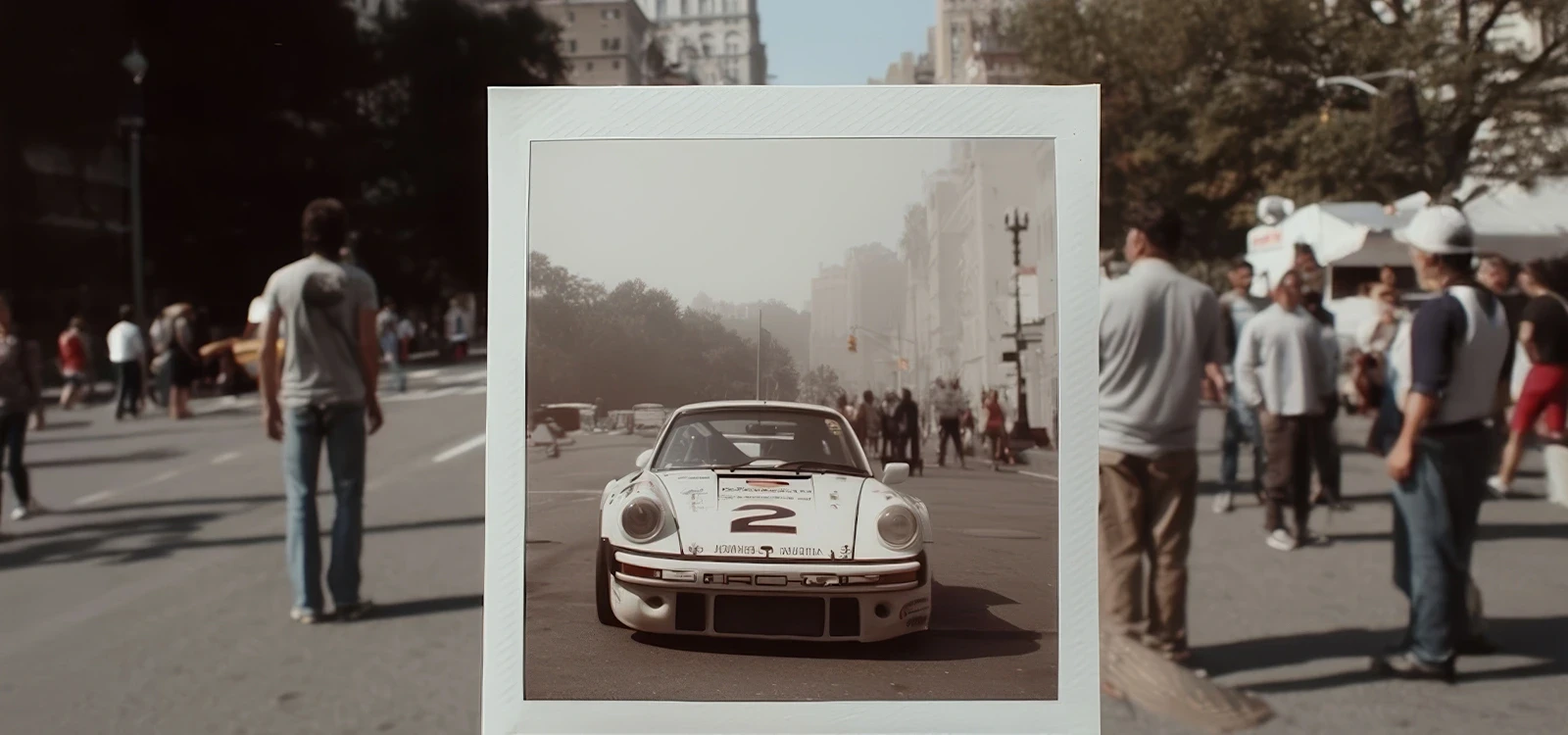
3 min read

3 min read

Blog Image

Introduction

Road trips offer freedom, adventure, and a chance to explore beautiful landscapes. The USA is filled with scenic highways and diverse travel experiences.

Each route brings unique culture, history, and unforgettable sights.

Travel becomes more meaningful when the journey is part of the excitement.

Why road travel matters

Driving allows travelers to move at their own pace and enjoy every moment along the way. It creates opportunities to spend time with others and discover hidden attractions.

Road trips build positive memories and a sense of exploration.

Creating the perfect travel setup

A well organized car and comfortable essentials improve the journey. Maps, snacks, and planned rest stops keep the trip smooth and enjoyable.

Technology supports navigation and safety throughout the route.

Planning flexible road routines

Mixing well known stops with spontaneous detours adds creativity to travel. Early planning helps avoid stress while still allowing freedom.

Travelers appreciate the balance between structure and surprise.

Highlights to consider on US road trips

Popular routes to explore include:
• Pacific Coast Highway in California
• Route 66 for nostalgic adventure
• Blue Ridge Parkway for mountain views

Each journey brings impressive scenery and local discoveries.

Protecting safety and comfort

Regular breaks reduce fatigue and keep the trip fun. Staying aware of weather and traffic ensures a safer experience.

Comfort makes adventure more enjoyable from start to finish.

Conclusion

Road trips offer a refreshing way to experience nature and culture. With smart planning and curiosity, every mile becomes a moment worth remembering.

Exploring the USA by road turns travel into a rewarding adventure.

Watch Schools · Module 01 · Figure 1.1.1 · v2
Watch Schools  ·  Module 01  ·  Chapter 1.1  ·  The Tool Alibi

The Tool Alibi

Trench Origins  ·  How the Great War Forced Wristwear from Accessory to Essential
The Pocket Watch Era
Pre-1914
The Trench Watch Era
Post-1918
1914 — 1918  ·  The Great War
Primary Function
Aristocratic Timekeeping & Status
Tactical Synchronization & Survival
Market Perception
Wristwear viewed as Effeminate
Wristwear viewed as Essential Gear
Design Ethos
Delicate, Hidden, Decorative
Rugged, Luminous, Armored
Source  ·  Watch Schools Module 01  ·  Chapter 1.1 The Tool Alibi  ·  The wristwatch's cultural transformation, 1914 to 1918
Watch Schools · Module 01 · Figure 1.2.1 · v2
Watch Schools  ·  Module 01  ·  Chapter 1.2  ·  The Quartz Crisis

The Industrial Inversion

How Solid-State Technology Hollowed Swiss Watchmaking  ·  1970 to 1988
The Pre-Crisis Order
Baseline · circa 1970
The Post-Crisis Reality
Post-Crisis · 1983–1988
1969 — 1983  ·  The Quartz Crisis
Total Swiss Watchmaking Employment
0Workers · 1970
0Workers · 1988↓ −69%
Operational Swiss Watch Firms
0Entities · 1970
0Entities · 1983↓ −63%
Swiss Global Market Share
~0%1960s Peak
0%By 1978↓ −52%
Dominant Global Technology
Mechanical Escapement
Solid-State QuartzBy 1978
Source  ·  Federation of the Swiss Watch Industry  ·  FH Swiss Watchmaking statistics  ·  The Quartz Crisis wiped out roughly two-thirds of Swiss watchmaking capacity between 1970 and 1988
Watch Schools · Module 01 · Figure 1.2.2 · v2
Watch Schools · Module 01 · Chapter 1.2 · The Quartz Crisis

The Crisis Decade

Swiss Watchmaking's Annual Collapse  ·  1970 to 1988
Workforce Loss
0%
90,000 28,000 Workers
Firms Lost
0%
1,600 600 Entities
Market Share Lost
0%
~50%+ 24% by 1978
Swiss Watchmaking Workforce
0k20k40k60k80k100k90k72k50k38k28k19701975 est.1980 est.19831988
Operational Swiss Watch Firms
04008001,2001,6001,6001,3501,00060060019701975 est.1980 est.19831988
Workforce (000s)
Firms (count)
Source · Federation of the Swiss Watch Industry · FH Swiss Watchmaking statistics · The Quartz Crisis wiped out roughly two-thirds of Swiss watchmaking capacity between 1970 and 1988
Watch Schools · Module 01 · Figure 1.2.3 · v2
Watch Schools · Module 01 · Chapter 1.2 · The Quartz Crisis

The Quartz Crossover

Swiss Labor Force vs Seiko Quartz Output  ·  1970 to 1988
Swiss Workforce
0%
90,000 28,000 Workers
Seiko Quartz Output
+0×
~0.5M 45M Units · 1988
The Tipping Point
1978
Crossover Year · Two Trajectories Inverted
0k20k40k60k80k100kSwiss Labor Force · Workers0M10M20M30M40M50MSeiko Quartz Output · Units19701972197419761978198019821984198619881978The Tipping Point28k45M
Swiss Watchmakers (Left Axis · Workers)
Seiko Quartz Output (Right Axis · Units/Year)
Source · Federation of the Swiss Watch Industry · Seiko Corporation Annual Reports · The 1978 Tipping Point marked when Japanese quartz production crossed Swiss mechanical capacity

Explore Topics

Icon

0%

Explore Topics

Icon

0%