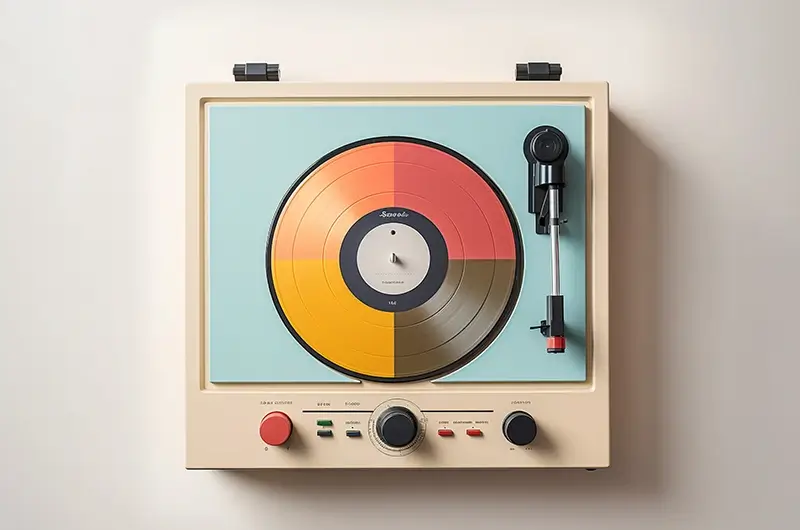
Exploring the intersection of technology and wellness

What we learned turning a 20-year-old brand into a modern digital identity.

3 min read

3 min read

Blog Image

Introduction

Technology is becoming a natural part of health and self care. From fitness apps to smart devices, digital tools help people track progress and improve daily habits.

Wellness is no longer limited to physical health. It now includes mental balance, emotional support, and overall lifestyle improvement.

Small digital changes can make self care easier and more accessible.

Why digital wellness matters

Technology helps people understand their bodies better. Real time insights support healthier choices and consistent routines.

Better awareness leads to stronger motivation and long term benefits.

Creating supportive tech environments

Simple tools like step counters, breathing apps, and sleep trackers guide daily improvements. Personalized recommendations build better habits over time.

User friendly interfaces make wellness easier to maintain.

Building healthier digital routines

Limiting screen time and scheduling breaks protect mental clarity. Choosing positive content supports emotional well being.

Wellness grows stronger when technology is used with balance.

Habits that improve health with tech

Here are helpful digital wellness habits:
• Use reminders to stay active during the day
• Track small goals like hydration or sleep
• Explore guided mindfulness or meditation

These tools help build a healthier lifestyle gradually.

Protecting a mindful lifestyle

Unplugging helps restore calm. Creating tech free moments improves focus and connection with the real world.

Taking time to rest keeps wellness steady and sustainable.

Conclusion

Technology can support health when used wisely. It encourages consistent habits and gives people more control over their well being.

With balance, digital tools make everyday life healthier and more fulfilling.

Watch Schools · Module 01 · Figure 1.1.1 · v2
Watch Schools  ·  Module 01  ·  Chapter 1.1  ·  The Tool Alibi

The Tool Alibi

Trench Origins  ·  How the Great War Forced Wristwear from Accessory to Essential
The Pocket Watch Era
Pre-1914
The Trench Watch Era
Post-1918
1914 — 1918  ·  The Great War
Primary Function
Aristocratic Timekeeping & Status
Tactical Synchronization & Survival
Market Perception
Wristwear viewed as Effeminate
Wristwear viewed as Essential Gear
Design Ethos
Delicate, Hidden, Decorative
Rugged, Luminous, Armored
Source  ·  Watch Schools Module 01  ·  Chapter 1.1 The Tool Alibi  ·  The wristwatch's cultural transformation, 1914 to 1918
Watch Schools · Module 01 · Figure 1.2.1 · v2
Watch Schools  ·  Module 01  ·  Chapter 1.2  ·  The Quartz Crisis

The Industrial Inversion

How Solid-State Technology Hollowed Swiss Watchmaking  ·  1970 to 1988
The Pre-Crisis Order
Baseline · circa 1970
The Post-Crisis Reality
Post-Crisis · 1983–1988
1969 — 1983  ·  The Quartz Crisis
Total Swiss Watchmaking Employment
0Workers · 1970
0Workers · 1988↓ −69%
Operational Swiss Watch Firms
0Entities · 1970
0Entities · 1983↓ −63%
Swiss Global Market Share
~0%1960s Peak
0%By 1978↓ −52%
Dominant Global Technology
Mechanical Escapement
Solid-State QuartzBy 1978
Source  ·  Federation of the Swiss Watch Industry  ·  FH Swiss Watchmaking statistics  ·  The Quartz Crisis wiped out roughly two-thirds of Swiss watchmaking capacity between 1970 and 1988
Watch Schools · Module 01 · Figure 1.2.2 · v2
Watch Schools · Module 01 · Chapter 1.2 · The Quartz Crisis

The Crisis Decade

Swiss Watchmaking's Annual Collapse  ·  1970 to 1988
Workforce Loss
0%
90,000 28,000 Workers
Firms Lost
0%
1,600 600 Entities
Market Share Lost
0%
~50%+ 24% by 1978
Swiss Watchmaking Workforce
0k20k40k60k80k100k90k72k50k38k28k19701975 est.1980 est.19831988
Operational Swiss Watch Firms
04008001,2001,6001,6001,3501,00060060019701975 est.1980 est.19831988
Workforce (000s)
Firms (count)
Source · Federation of the Swiss Watch Industry · FH Swiss Watchmaking statistics · The Quartz Crisis wiped out roughly two-thirds of Swiss watchmaking capacity between 1970 and 1988
Watch Schools · Module 01 · Figure 1.2.3 · v2
Watch Schools · Module 01 · Chapter 1.2 · The Quartz Crisis

The Quartz Crossover

Swiss Labor Force vs Seiko Quartz Output  ·  1970 to 1988
Swiss Workforce
0%
90,000 28,000 Workers
Seiko Quartz Output
+0×
~0.5M 45M Units · 1988
The Tipping Point
1978
Crossover Year · Two Trajectories Inverted
0k20k40k60k80k100kSwiss Labor Force · Workers0M10M20M30M40M50MSeiko Quartz Output · Units19701972197419761978198019821984198619881978The Tipping Point28k45M
Swiss Watchmakers (Left Axis · Workers)
Seiko Quartz Output (Right Axis · Units/Year)
Source · Federation of the Swiss Watch Industry · Seiko Corporation Annual Reports · The 1978 Tipping Point marked when Japanese quartz production crossed Swiss mechanical capacity

Explore Topics

Icon

0%

Explore Topics

Icon

0%