The Forging of Soul — M1.C1
How a muddy military necessity became the psychological licence for a $100 billion market
While there are varying opinions about the birth of the wristwatch — many people lay claim to having worn the first, including Santos-Dumont — the general consensus is that the wristwatch as we know it emerged in war. In effect, the first wristwatches were pocket watches with wire lugs soldered onto them, so as to be worn on the wrist for easy time read-out, rather than fumbling through a pocket.
The wristwatch did not gently evolve. It was violently reborn in the mud and artillery thunder of the Western Front. What began as a delicate, effeminate "wristlet", dismissed by Victorian men as decorative jewelry unfit for masculine pockets, was thrust into the crucible of total war and emerged as the ultimate Tool Alibi: a cultural and psychological license that still underpins the multi-billion-dollar luxury watch market today.
This metamorphosis is not merely historical curiosity. It is the foundational narrative that explains why modern mechanical watches command such extraordinary valuations. The Tool Alibi is the quiet cultural loophole that allows men to invest in luxurious personal adornments without them being branded as decorative excess. By masquerading as functional engineering rather than mere ornament, the wristwatch grants its wearer a profound psychological permission: this is not vanity; this is competence made visible.
THE WATCH SCHOOL LEXICON — The Tool Alibi: The cultural and psychological licence that lets a luxury watch masquerade as functional engineering — permitting adornment to be read as competence rather than vanity.
Before 1914, the pocket watch reigned as the undisputed emblem of masculine timekeeping. The pocket itself provided the primary "functional alibi," shielding fragile gears from moisture, shock, and dust. Wristlets were strictly women's adornments, delicate, decorative, and culturally off-limits for men of status. It is worth noting that the wristwatch as a recognisable form predates the Great War: Rolex itself traces to 1905, when Hans Wilsdorf founded Wilsdorf & Davis in London. Early military experiments — Girard-Perregaux's 1880 order of 2,000 grille-protected wristwatches for German naval officers; British soldiers improvising leather "cups" during the Boer War — remained marginal anomalies. The civilian market rejected them outright.
World War I changed everything. The "creeping barrage" — infantry advancing in precise synchronization with a moving wall of artillery — rendered the two-handed operation of a pocket watch fatally impractical in the chaos of the trenches. Hands-free timekeeping became a matter of life and death. The Trench Watch emerged as the direct response: wire lugs soldered to pocket-watch cases, radium-painted luminous dials for night raids, shrapnel guards over fragile crystals, and early hermetic cases to seal against gas and water. Returning veterans retained their trench watches in civilian life. The device was successfully rebranded as a "badge of bravery" and an instrument of modernity. By 1930, wristwatches had officially outsold pocket watches in the UK. The Tool Alibi was born: a psychological and sociological license that reframed adornment as survival gear.
An instructive market footnote: one might assume that superb examples of these very trench watches — over 100 years old, in silver, with enamel dials and radium numerals — would today command extraordinary prices. They do not. They typically trade for around £2,000 to £5,000: less than the most basic stainless steel Rolex available at retail today.
The Brand Psychology
Rolex, Omega, and the emerging Swiss houses leaned hard into the wartime narrative, reframing the wristwatch as the portable emblem of competence and modernity. Rolex in particular drove this repositioning, pioneering the first waterproof watch, the first self-winding watch, and the impenetrable Oyster case. The psychological tension is exquisite: the same object once derided as effeminate became the ultimate masculine prosthetic precisely because it had been tested in the non-permissive environment of the trenches.
This is brand psychology as narrative sovereignty. The watch is no longer an accessory; it is a white-box ledger of Newtonian physics, a tangible counter to the black-box digital world. By wearing a machine engineered for physical extremes, the wearer signals Reflected Sovereignty — heroic competence aligning him with the absolute pinnacle of human resource coordination. The Tool Alibi allows luxury to masquerade as necessity, turning potential vanity into earned valor.
THE WATCH SCHOOL LEXICON — Reflected Sovereignty: The status signal acquired by wearing a machine engineered for physical extremes — aligning the wearer with heroic competence and mastery over chaos.
The Collector's Mindset
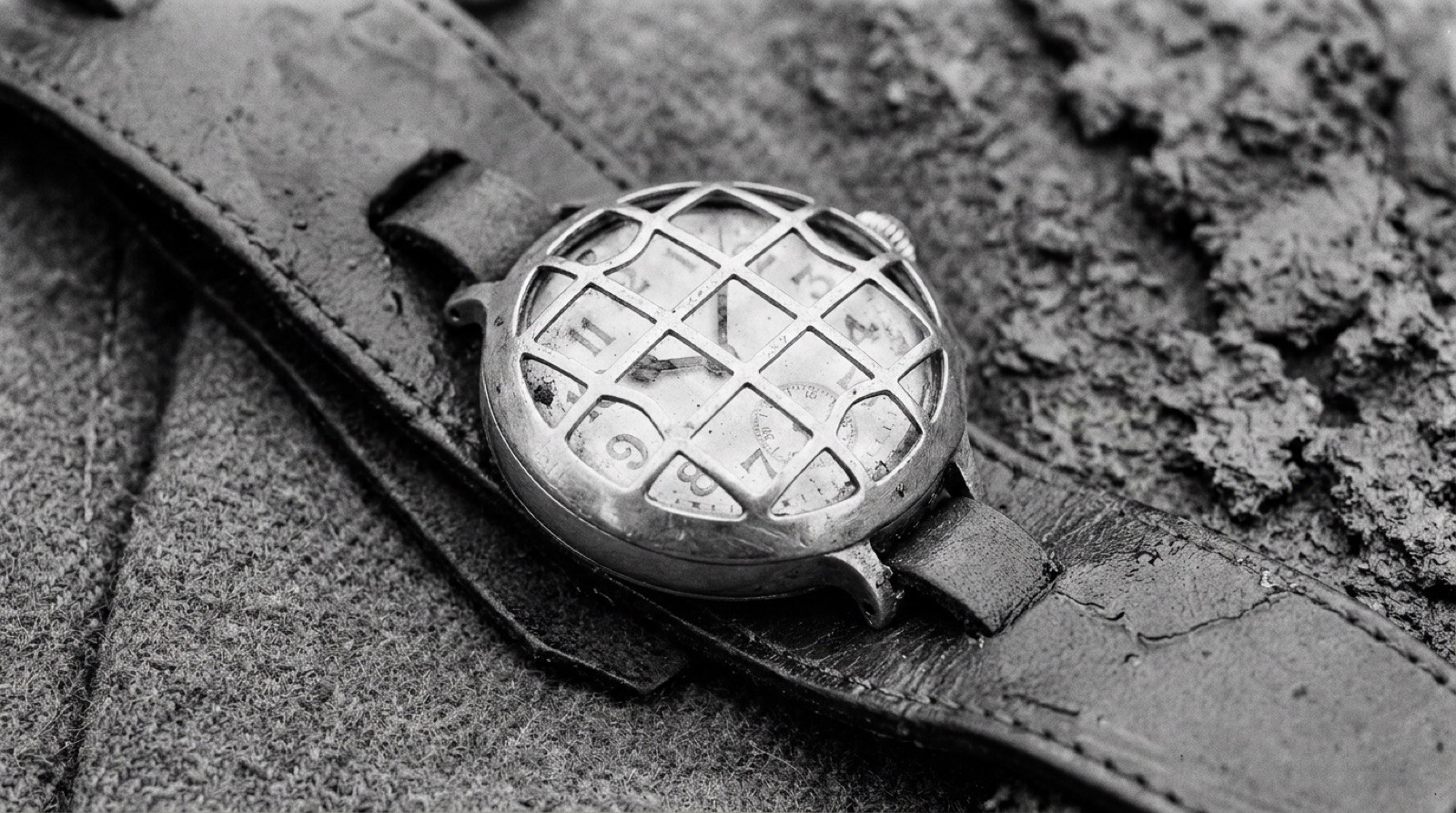
FIG. 01 · TRENCH WATCH · SHRAPNEL GUARD · C. 1917
Today's horological investor understands that the Tool Alibi is the invisible foundation beneath every premium valuation. Vintage pieces — battered steel chronographs, military-spec tools, khanjar anomalies — command the highest prices not because they are merely old, but because their DNA can be traced directly back to the tactical necessity of the trenches. The most valuable assets in horology are not those burdened by the "makeup" of manufactured luxury, but those constructed of "honest metal" whose story is one of survival and mastery.
Crucially, the collector's value attaches to capability, not necessarily to actual use. These watches can orbit the Earth, plunge to extraordinary depths, and survive considerable G-forces — yet the reality is that most owners take their Submariner off before they jump in the pool. At Watch Schools we are opposed to that mindset; we believe a watch should do what it says on the tin. But for the collector, what matters is the latent capability: the knowledge that the watch could survive what it claims to. The Ferrari 599 / GTO analogy is instructive — most drivers will rarely exceed 85 mph in either, yet the GTO commands its premium for what one could do, if one chose, or if one were good enough.
In a modern service economy dominated by digital abstractions, the mechanical watch operates as a white box of pure Newtonian physics. Its ability to survive fatal G-forces, saturation diving, or orbital spaceflight justifies its cost through a narrative of "glorious inefficiency." The collector who pursues these pieces is not merely acquiring objects; he is anchoring himself to an era of earned valor. The watch on your wrist is never just adornment. It is the modern descendant of the trench watch — a portable ritual of agency, a visible claim to the sovereignty forged in the mud and fire of total war.
The Quartz Crisis — The Pivot to Heritage
The Quartz Crisis of the 1970s and 1980s is widely misunderstood as a mere technological disruption. In reality, it was a radical ontological shift that fundamentally altered the economic foundation of horology. The introduction of quartz technology destroyed the centuries-old correlation between a watch's price and its chronometric accuracy. However, paradoxically, the total loss of functional utility — the obsolescence of the mechanical watch as a primary timekeeping tool — served as the critical catalyst that transformed it into the ultimate heirloom asset. It is important to be precise: the crisis altered the landscape for many brands, but not for all. Rolex was largely unaffected — if anything, the brand emerged from the period stronger than before.
This chapter explores the Quartz Crisis not as an industrial collapse, but as the birth of the modern luxury mechanical watch. It is the story of how Swiss watchmaking, facing annihilation, executed one of the most brilliant sociological pivots in consumer history: from selling precision to selling soul.
THE WATCH SCHOOL LEXICON — The Quartz Crisis (or "Quartz Revolution"): The period (1970–1988) when the advent of battery-powered quartz movements rendered mechanical watches functionally obsolete, leading to the bankruptcy of nearly two-thirds of Swiss watch firms.
The Industrial and Metaphysical Inversion
For nearly four centuries, horological architecture relied on a subtractive mechanical system: potential energy was regulated by a balance wheel oscillating at a low frequency of 2.5 to 5 Hz. This model was highly vulnerable to gravity, temperature, and shock, making precision an exclusive, high-status luxury.
This Swiss monopoly on precision was dismantled by Seiko's adoption of the 32,768 Hz frequency standard. By reducing the signal to exactly one pulse per second via simple binary digital divider circuits, Seiko moved the "beating heart" of the watch into the digital domain. While a fine Swiss mechanical movement might drift by seconds per day, a quartz crystal achieved near-perfection with deviations of fractions of a second per month.
Seiko's victory, however, was as much industrial as it was technological. While the Swiss industry remained fragmented, relying on an établissage system of over 1,600 decentralized specialists, Seiko operated as a competitive oligopoly. Through "System A," an automatized assembly line developed by 1968, Seiko integrated R&D directly into mass production. This allowed them to produce over 100,000 watches per month at a unit cost Switzerland could not match.
THE WATCH SCHOOL LEXICON — Établissage: The traditional Swiss system of "decentralized assembly," where small, family-owned workshops specialized in one part — escapements, hands, cases — before sending them to a central "Maison" for final assembly.
The resulting market inversion was brutal. In 1960, Japanese watch production value was merely 24% of the Swiss output. By 1969 — the year the Seiko Astron was released — Japan reached 47.3% of the Swiss value. By 1978, quartz watches surpassed mechanicals globally, and the Swiss global market share cratered to just 24%. Between 1970 and 1988, the Swiss watchmaking workforce was decimated, plummeting from 90,000 to just 28,000 active workers.
The Collapse of the Swiss Infrastructure
Between 1970 and 1988, the Swiss watchmaking infrastructure experienced a catastrophic structural contraction.
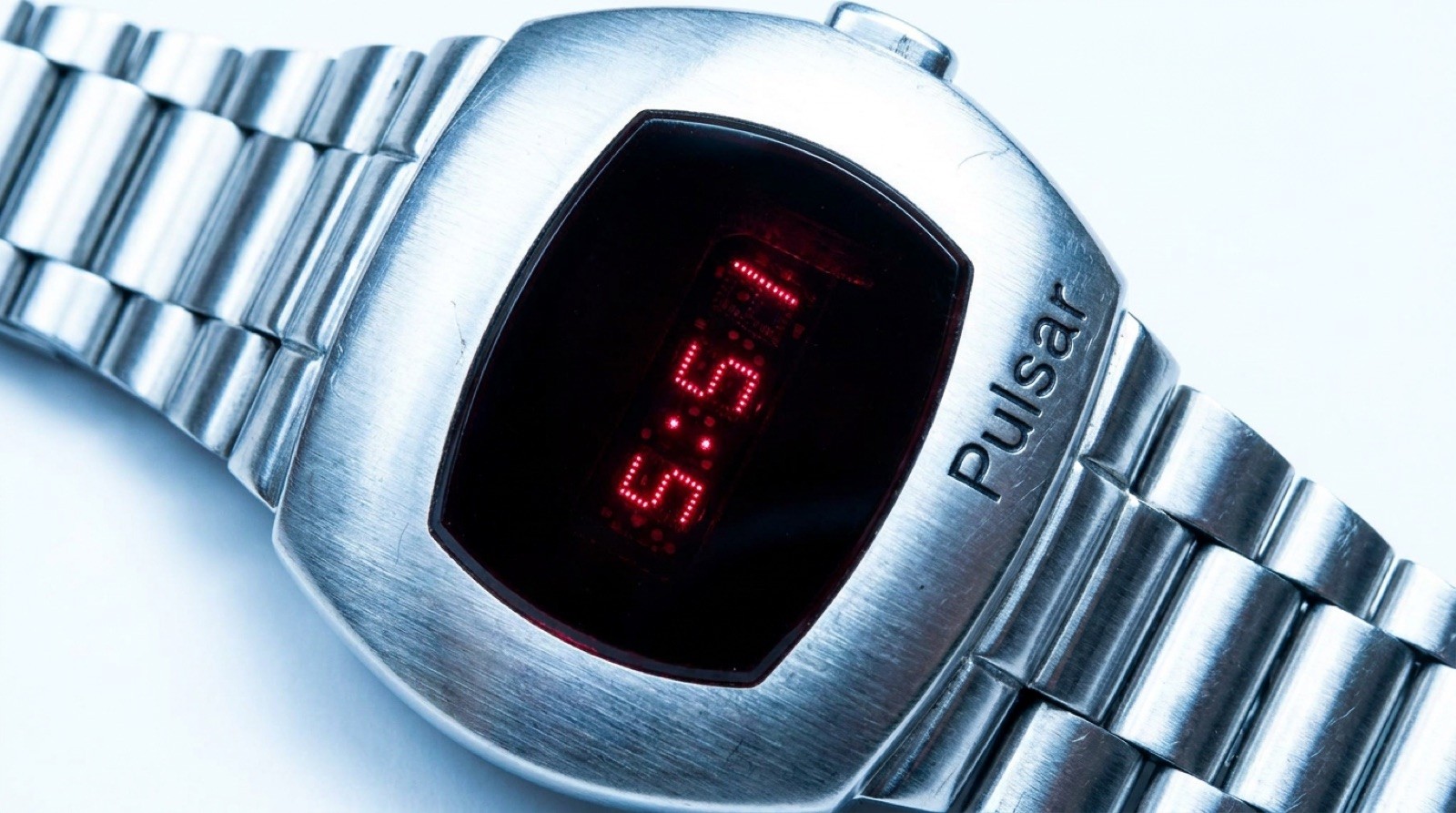
FIG. 02 · HAMILTON PULSAR P2 · RED LED · 1972
Labor Force Decimation: Total employment within the highly specialized Swiss watchmaking sector plummeted from approximately 90,000 active workers in 1970 down to a mere 28,000 by 1988, resulting in massive displacement across the Jura region.
Corporate Insolvency: The total number of operational Swiss watchmaking firms dropped from roughly 1,600 down to 600 in the span of thirteen years between 1970 and 1983.
Loss of Global Dominance: Switzerland's commanding global watch market share, which had comfortably rested above 50 percent throughout the 1960s, collapsed to just 24 percent by 1978.
The Commodification of Time
The Quartz Revolution turned precision into a cheap, disposable electronic right. Accuracy was no longer a luxury; it was a standardized industrial metric available in a $20 Casio. Consequently, the "Use Value" of the mechanical watch dropped to zero. It could no longer compete on the metric of time-telling accuracy. Even the young were being drawn to the new technology: schoolchildren wore digital LED watches and pressed the button to watch them light up. The mechanical age was being eclipsed at every demographic level — not just the workshop.
The Strategic Pivot to Luxury
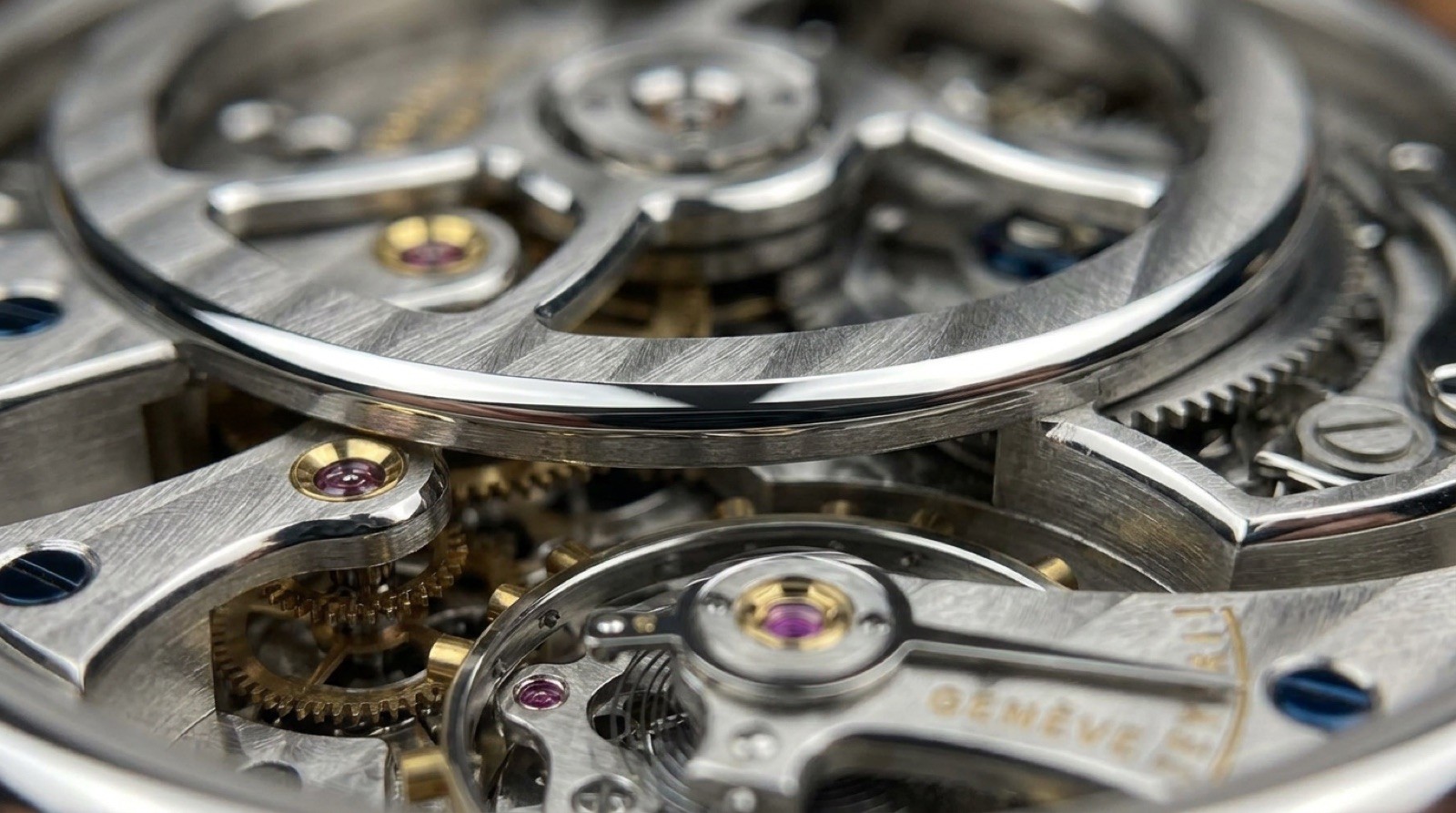
FIG. 03 · EXHIBITION CASEBACK · HAND-FINISHED CALIBRE
Quartz technology delivered sterile perfection. A $20 Casio could outperform the finest Swiss movement by orders of magnitude, with virtually no maintenance. The mechanical watch, by contrast, was gloriously inefficient: it drifted by seconds per day, required regular servicing, and demanded human attention. This "glorious inefficiency" became the new value proposition.
THE WATCH SCHOOL LEXICON — Glorious Inefficiency: The post-crisis value proposition of the mechanical watch: drift, servicing and human dependence reframed as the last authentic resistance to sterile digital perfection.
Faced with annihilation, Swiss manufacturers executed a calculated business pivot: they abandoned the fight for functional utility and repositioned mechanical watches as high-end luxury assets. By the mid-1980s, the industry had successfully reframed the mechanical movement from a timekeeping tool into a symbol of craftsmanship, legacy, and deliberate inefficiency. This pivot not only saved Swiss watchmaking — it created the multi-billion-dollar luxury mechanical market we know today.
Not every brand survived this pivot intact. Omega — once Rolex's principal rival, with the Constellation directly competing against the Datejust — chose to chase the mass market with cheaper, quartz-driven watches. In doing so, Omega substantially diminished its brand equity, and has never fully recovered the standing it once held.
THE WATCH SCHOOL LEXICON — Veblen Good: A luxury item for which demand increases as the price rises, because the high price itself signals status and exclusivity. Mechanical watches are the "Ultimate Veblen Good" because their value is decoupled from their utility.
Case Study: The 1972 Audemars Piguet Royal Oak
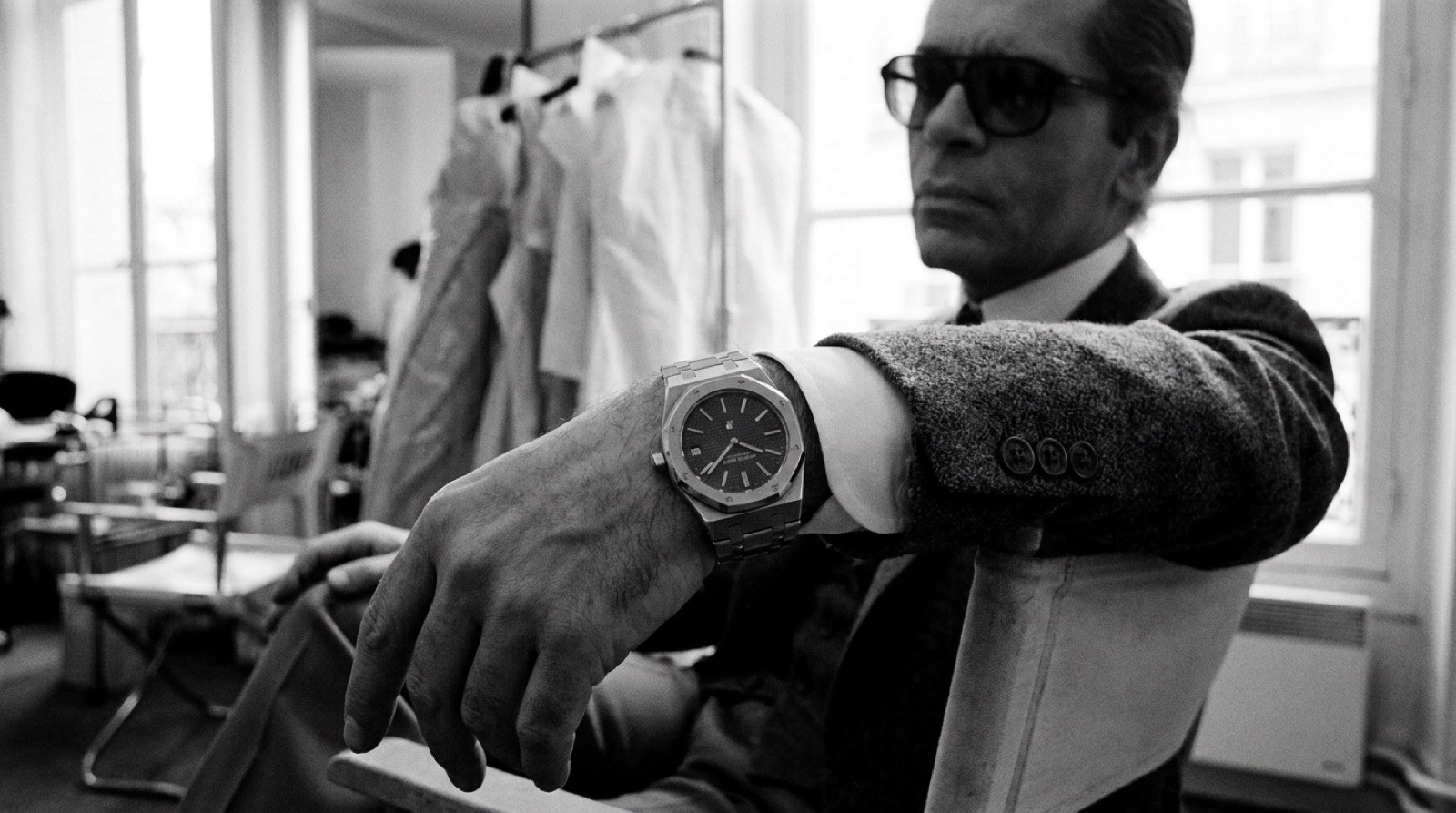
FIG. 04 · KARL LAGERFELD · AUDEMARS PIGUET ROYAL OAK · 1972
The Crisis: In 1972, facing systemic bankruptcy at the dawn of the Quartz Crisis, Audemars Piguet executed one of the most audacious pricing strategies in modern luxury history. They commissioned designer Gérald Genta to conceptualize a steel sports watch overnight.
The Pivot: The resulting Royal Oak was launched in stainless steel at 3,650 Swiss Francs — a price tag exceeding that of a solid gold Patek Philippe and ten times the cost of a standard Rolex Submariner.
The Investor Lesson: Audemars Piguet successfully detached valuation from intrinsic material costs and pegged it entirely to architectural provenance and symbolic exclusivity. By finishing industrial steel to a microscopic artisan grade and pricing it exorbitantly, they forced the market to treat steel as a "precious metal." This masterstroke in behavioral economics not only saved the Maison but single-handedly birthed the "Integrated Bracelet Luxury Sport" category — the most liquid and highly capitalized sector of today's secondary market.
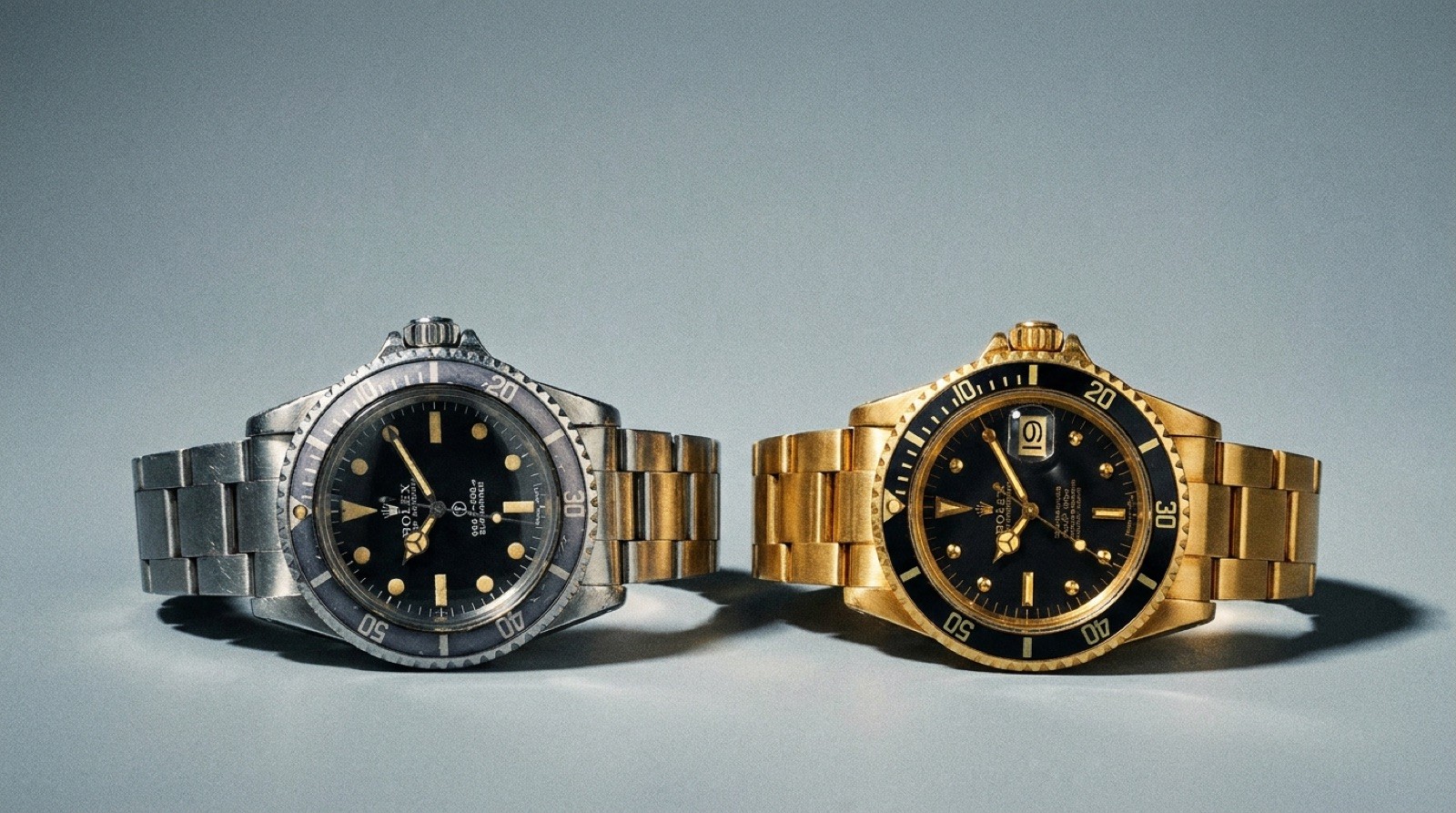
FIG. 05 · ROLEX SUBMARINER · STEEL & GOLD · SIDE BY SIDE
The Financial Lifeline: The Swatch Group
The pivot would have failed without a financial engine. In 1983, Nicolas G. Hayek founded the Swatch Group (originally SMH), using the massive cash flow from cheap, plastic, fashion-forward Swatch watches to rescue dying mechanical brands like Blancpain and Omega. This portfolio strategy allowed the Swiss industry to subsidize high-end mechanical production with low-end quartz revenue — a brilliant financial hedge that kept the craft alive while the luxury repositioning took hold.
The Capture Strategy: The group launched the Swatch, a cheap, plastic, 51-part quartz watch. Instead of marketing it as a precise timekeeper, Hayek positioned the Swatch as a "ludic" (playful) fashion accessory. Sales exploded: over 2.5 million units in the first two years alone.
A market footnote from Tom Bolt: in the late 1980s and early 90s, when he was starting out as a dealer, he bought Swatch chronographs — such as the Wall Street — at the UK retail price of £45 and resold them in Italy for double the money. The Swatch Group eventually caught on and issued a mandate that any retailer found selling more than one chronograph to the same buyer would lose their franchise. Tom worked around the rule by standing outside Swatch shops and paying members of the public £5 to enter and buy the watches on his behalf. Even plastic Swatches, at one stage, were trading at double their retail price on the secondary market.
The Subsidy Model: The massive "rivers of cash" generated by the mass-market Swatch were systematically diverted to subsidize and resurrect the dying Prestige brands within the group's portfolio — Omega, Breguet, and Blancpain. By strictly segmenting the market, Hayek created a financial fortress: the Swatch fought the volume war at the bottom while Omega fought Rolex in the "Accessible Luxury" tier. The Swatch proved that you could use automated, mass-produced digital technology to fund the survival of the gloriously inefficient, high-end mechanical artisan.
Jean-Claude Biver and the Philosophical Pivot
While Nicolas Hayek successfully rationalized the industrial base of Swiss manufacturing, it was Jean-Claude Biver who engineered the psychological and philosophical salvation of the high-end mechanical watch. In 1982, amidst the darkest depths of the crisis, Biver and his partner Jacques Piguet purchased the entirely dormant Blancpain brand name for roughly $16,000. While the entirety of the Swiss industry was desperately chasing the affordability of quartz, Biver championed an audacious vision: Blancpain would never produce a quartz watch.
Biver recognized a fundamental economic truth his peers had missed: quartz had permanently destroyed the mechanical watch's utility as a functional timekeeping instrument. Therefore, its value had to be entirely repositioned. He deliberately moved Blancpain's corporate headquarters into a traditional Swiss farmhouse, linking modern manufacturing to 18th-century horological roots. He artificially restricted supply — hand-assembled watches, dramatically raised prices, textbook Veblen dynamics. He launched the now-iconic slogan: "Since 1735 there has never been a quartz Blancpain watch. And there never will be."
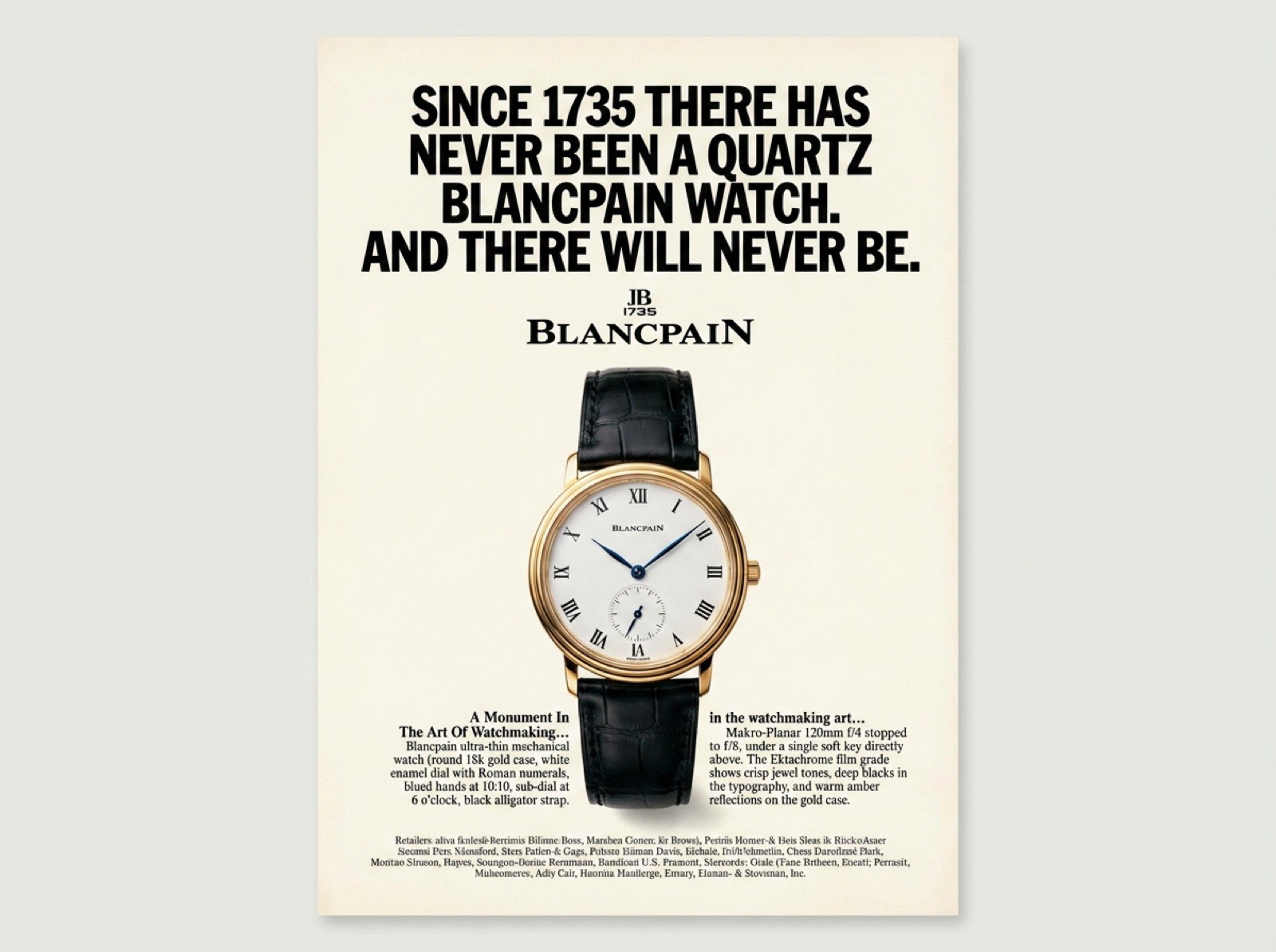
FIG. 06 · BLANCPAIN · "SINCE 1735" · ANTI-QUARTZ ADVERTISEMENT
This strategy became the blueprint for the survival of the entire modern Swiss luxury watch industry. A caveat is required: Blancpain's '1735 founding' claim and the assertion that the Fifty Fathoms was the world's first dive watch have both since been disputed by horological historians — the never-a-quartz commitment is the authentic accolade.
A counterweight is worth recording. The biggest brand depreciations ever seen in a wristwatch have arguably come from Blancpain or Breguet, suggesting that Biver might in retrospect have been better served by allowing the occasional, less heroic watch with a quartz movement.
Patek Philippe: Reframing Ownership as Legacy
Patek Philippe took a more measured but equally effective approach. In 1996, it launched the "Generations" campaign with the now-iconic line: "You never actually own a Patek Philippe. You merely look after it for the next generation."
This was a direct response to the anxieties of a disposable age. In a world of rapid technological obsolescence, Patek sold stability and eternity. President Thierry Stern later articulated the complete rejection of utility: "You don't buy a Patek Philippe to read the time. You buy it for its beauty, its value, and the emotion it brings." By shifting the value proposition from the wearer to the wearer's legacy, Patek created an emotional moat that continues to justify extraordinary premiums.
Patek Philippe hold the world record for any wristwatch sold at auction — approximately £24 million for the unique steel Grandmaster Chime (Christie's, November 2019) — as well as the record for a vintage wristwatch: approximately £15 million for a steel Reference 1518 at Phillips in November 2025.
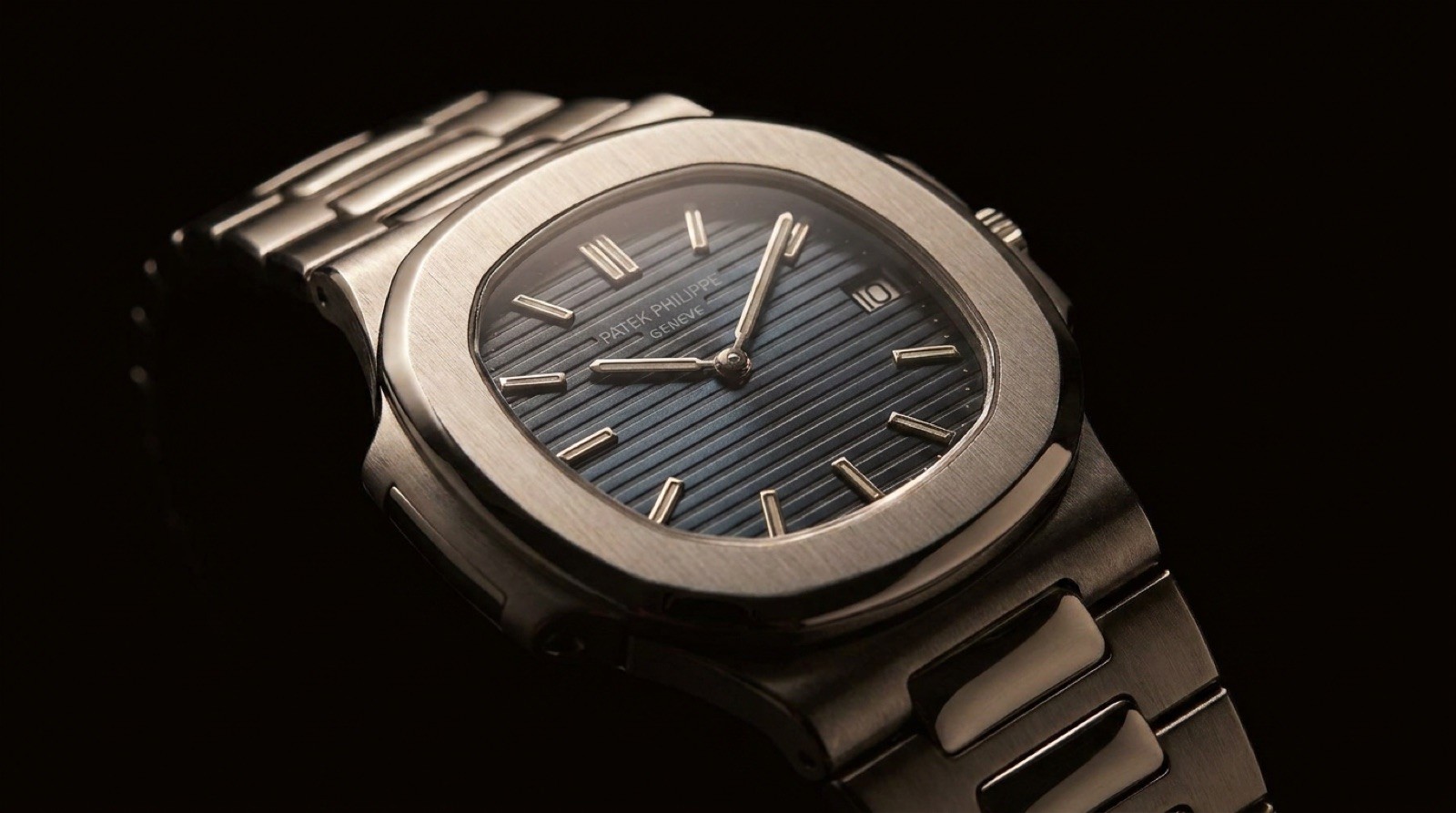
FIG. 07 · PATEK PHILIPPE NAUTILUS · REF. 3700 · 1976
In stark contrast, the Patek Philippe Reference 3587, equipped with the historically vital Beta 21 quartz movement, commands a mere fraction of that price. Despite featuring a massive 18k gold case and representing a pivotal technological moment in horological history, modern auction results for the 3587 range from $15,000 to $40,000 at elite houses like Christie's and Sotheby's.
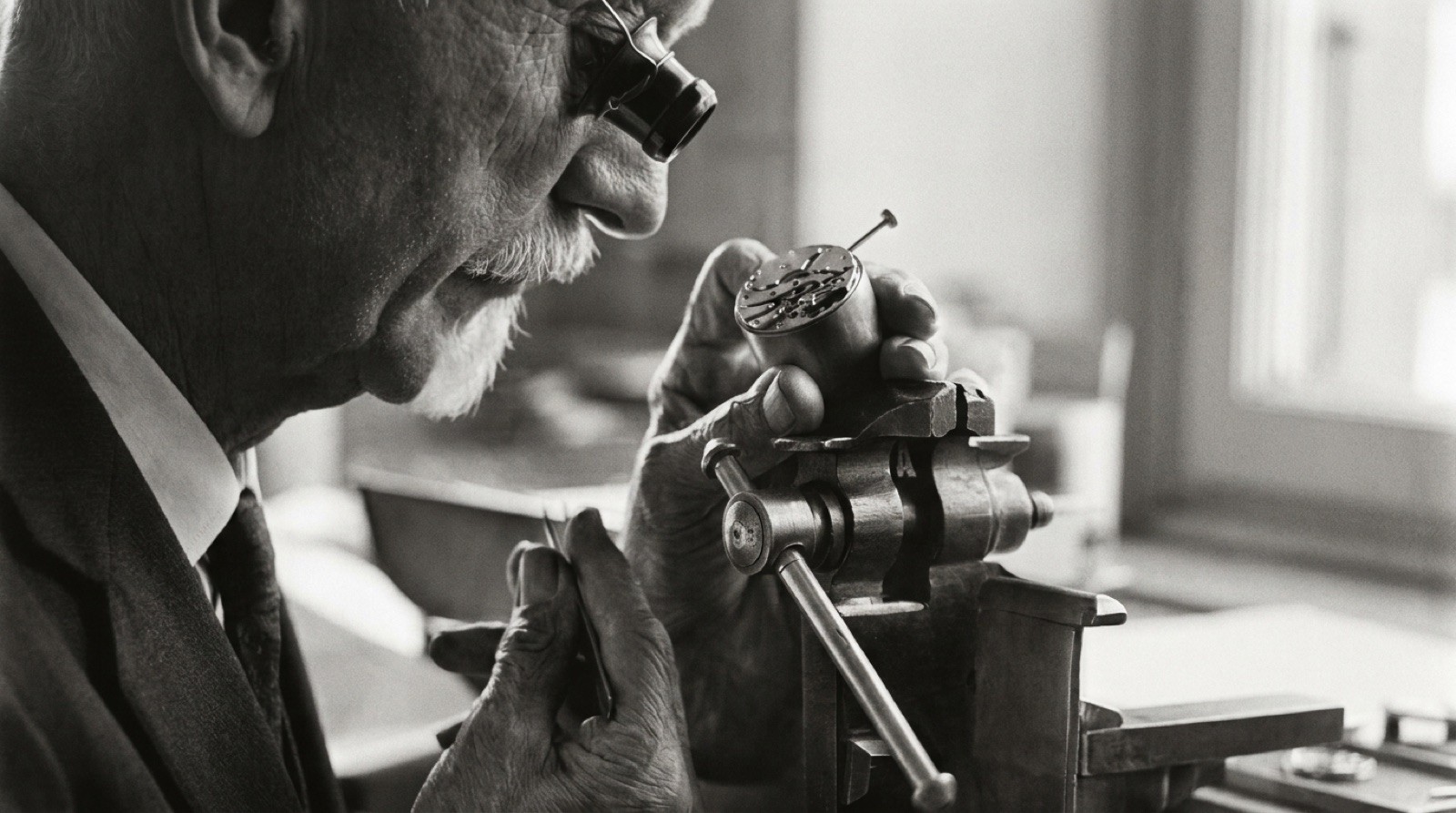
FIG. 08 · ANGLAGE · MIRROR-BEVELLED BRIDGE
Conclusion
The Quartz Crisis fundamentally destroyed the utilitarian purpose of the mechanical watch. By introducing the piezoelectric quartz oscillator to the mass market, corporations such as Seiko rendered centuries of meticulous Swiss mechanical refinement chronometrically inferior, functionally obsolete, and economically unviable. The subsequent macroeconomic collapse of the traditional Swiss manufacturing base was a direct result of institutional inertia and a fatal failure to recognize that microelectronics would inevitably win the race for timekeeping utility.
However, navigating the brink of total annihilation forced an essential ideological metamorphosis. Under the brutal corporate rationalization orchestrated by Nicolas G. Hayek, the Swiss watch industry learned to leverage globalized supply chains, centralized manufacturing, and robotic automation to sustain its economic baseline. Simultaneously, through the visionary marketing acumen of Jean-Claude Biver, the industry successfully, permanently decoupled the mechanical watch from the mundane act of telling time. By leaning into artificial scarcity, the romanticization of heritage, and the emotional resonance of traditional craftsmanship, mechanical horology was brilliantly reborn as an exclusionary luxury asset.
The Quartz Crisis did not kill mechanical watchmaking. It liberated it — and in that liberation, it gave birth to the only luxury that still matters: the one that refuses to be automated.